
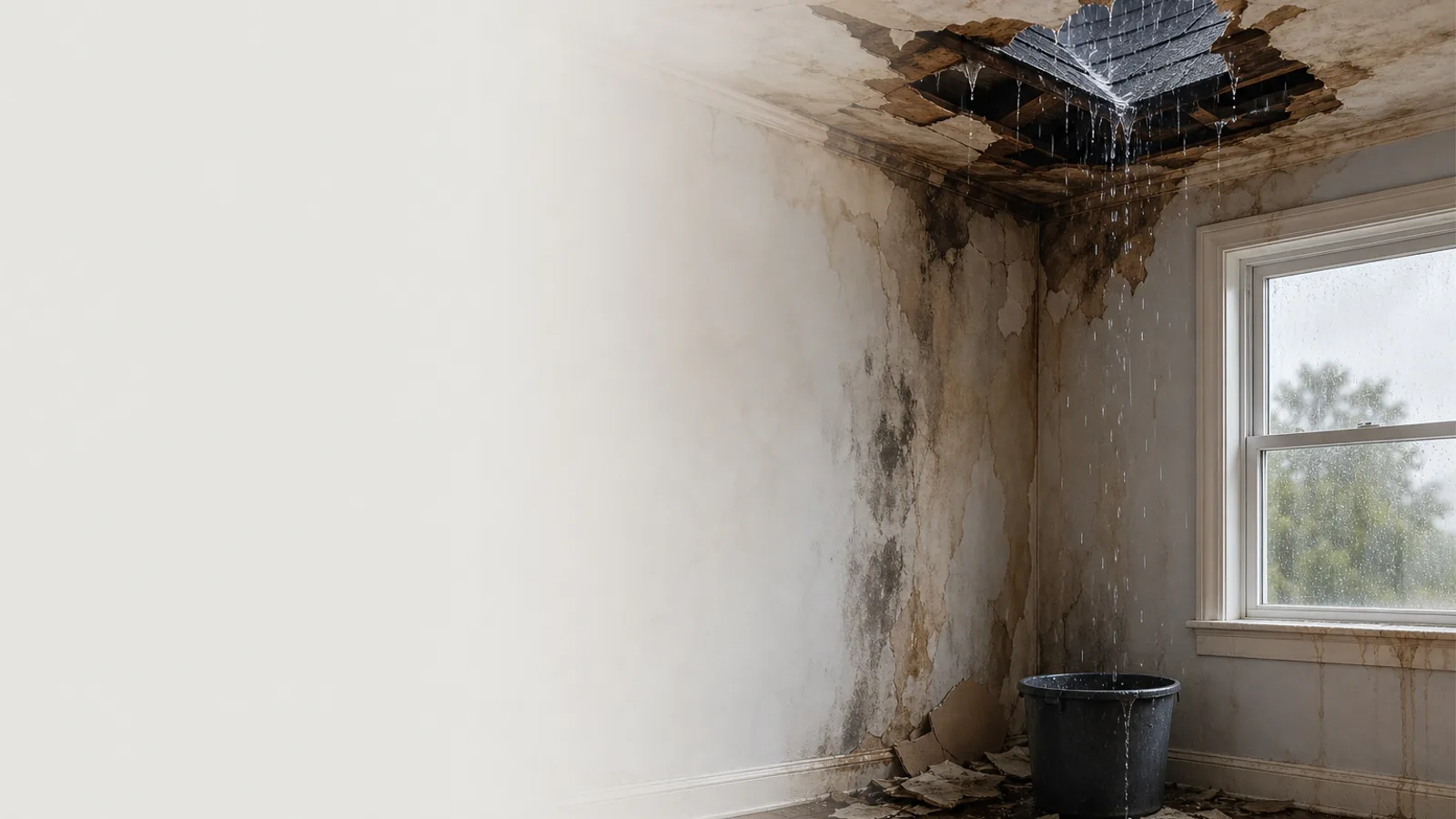
Homeowners used to wait for a ceiling stain before calling a roofer, but that old approach breaks down once serious wind or hail hits. Acting quickly with temporary repairs, documentation, and a pro inspection protects your home, your wallet, and your insurance claim.
Is it smart to wait and see if the roof leaks after a storm?
A lot of homeowners in Pennsylvania, New Jersey, and Maryland grew up with the same rule of thumb: do not worry about the roof until you see a water stain on the ceiling. That “wait and see” mindset might get you by with minor aging, but it breaks down fast when you are talking about wind, hail, or heavy rain events. Storms can strip shingles, bend flashing, or lift nails just enough that water works in slowly, long before you see an obvious drip in a room you use every day.
By the time a leak announces itself inside, water has usually already traveled through the sheathing, insulation, and framing. That can mean soggy insulation, warped drywall, and a higher chance for mold growth in hidden cavities. None of that is cheap or simple to fix. When you add in the fact that some insurance policies look closely at whether a homeowner took reasonable steps to limit damage, waiting for a visible leak can also give your insurer room to push back on parts of the claim.
Storm damage is different from slow, normal wear. A single storm can create gaps, cracks, or punctures that let water in on the very next rainfall. The gap between “storm just passed” and “first leak shows up” is where homeowners get hurt financially if they stick with the old approach. Looking at your roof and attic right after severe weather, or having a professional do it, changes that math in your favor.
- Ceiling stains usually show up long after water first enters.
- Storm damage can be serious without any missing shingle visible from the yard.
- Wet insulation and framing often go unnoticed when you wait for drips.
- Insurance adjusters may question losses that grew because no action was taken.
How emergency storm repairs beat the old "wait for leaks" habit
State insurance departments make a clear distinction between emergency or temporary repairs and permanent repairs after a storm. Their guidance says you are allowed and expected to take immediate steps like tarping damaged areas or covering broken openings to keep more water from entering. They pair that with a strong warning not to launch permanent repairs that change or hide the original storm damage until your claim is documented by the insurer. This split approach lines up with how good contractors in our region work too.
Roofing manufacturers echo that same pattern. They encourage homeowners to deal with standing water inside, dry wet materials where possible, and cover damaged roof sections quickly so the problem does not spread. A tarp installation done correctly is not meant to be pretty. It is meant to buy time and keep the next round of rain from soaking your framing and drywall. This is a clear upgrade over the old habit of putting out a bucket when the ceiling starts to drip and hoping it does not get worse.
For homeowners in PA, NJ, and MD, it means your first call after a serious storm should not just be to your insurance company. You also want a roofer who understands emergency mitigation, will photograph and document what they see, and knows when to stop at temporary work so your claim stays clean. That combination lets you protect the house immediately without stepping on the insurance process, instead of sitting on your hands and waiting for the damage to prove itself with a big interior mess.
- Emergency repairs are encouraged to prevent additional water damage.
- Permanent repairs should usually wait until an adjuster inspects the roof.
- Good photos and temporary fixes often support, not hurt, your claim.
- Proper tarping can stop small openings from becoming full roof leaks.
What does insurance actually expect you to do after roof storm damage?
Consumer advisories from state insurance regulators spell out what most policies already say in the fine print. You have a duty to protect the property from further harm once you know it is been damaged. That means if hail or wind rips off shingles or punctures the roof, you are not supposed to sit and wait for water to run through your ceiling. You can and should authorize temporary measures like tarps, patches, or covers that keep the weather out while the claim process gets moving.
At the same time, those advisories warn that full replacement work or big permanent repairs need to be coordinated with the insurer. They stress that an adjuster usually needs to see the unaltered storm damage so they can tell what was caused by the event and what was existing wear and tear. If a homeowner replaces big sections of roofing before that step, the insurer can argue that they cannot verify what was storm related, and this may affect coverage decisions on that portion of the job.
There is another wrinkle. Many policies treat storm damage differently from simple aging and can have separate deductibles for wind or hail losses. So having a clear record that your problem came from a specific storm really matters. For homeowners in our mid-Atlantic states, where we see a mix of nor'easters, summer storms, and winter freeze-thaw cycles, tying damage to a date and event is important. Storm-focused roof repair means you get photos, written notes, and a timeline that help support the claim, rather than a vague story months later about when that leak first appeared.
How building codes treat emergency roof repairs versus waiting it out
Model residential building codes used by many local governments make room for emergency repairs when something goes wrong. They include sections stating that if your home has been damaged in a way that affects health, safety, or property, you can move ahead with essential emergency repairs immediately. The catch is that you are typically expected to file any required permit paperwork promptly after that, usually on the next business day. The idea is simple. The code does not want you to let the house be exposed to ongoing water intrusion while you wait for formalities.
For roofs, that means a contractor can install a tarp, secure loose materials, or do other short-term fixes to keep the weather out as soon as damage is found, then handle permitting right after. Delaying that help in order to stay purely on the safe side with paperwork is not what the code is aiming for. It also means you want a roofer who understands what kinds of emergency actions are allowed so you are not left choosing between violation of local rules and a soaked interior.
When you combine this with insurance expectations, you get a consistent message: prevent further damage now, then sort permanent repairs and documentation in the very near term. Sitting on obvious storm damage because nothing is dripping yet puts you in a weaker spot with both code compliance and your insurer. Changing from the old “wait and see” habit to a plan that involves early mitigation lines up with how regulators and inspectors expect you to handle storm-related issues.
- Emergency roof repairs can proceed right away when safety is at risk.
- Permit applications for emergency work usually follow shortly after.
- Codes are designed to stop ongoing water intrusion into homes.
- A knowledgeable roofer can keep you compliant while acting quickly.
Why proactive storm damage roof repair saves money in PA, NJ and MD
From a homeowner’s budget view, the main question is whether moving fast really saves money compared to waiting for a clear leak. In practice, acting early almost always costs less than ignoring storm damage. Emergency tarping and focused repairs are usually narrow in scope. You are dealing with specific shingles, flashing areas, or sections of underlayment that were affected by wind or debris. Once water has had weeks or months to move into insulation, framing, and finished spaces, the bill grows to include interior repairs and potential remediation.
Storm damage roof repair is not just about throwing a tarp on and hoping for the best. A solid process will include a full inspection, photos from the roof and attic, and notes about what was likely caused by a specific storm. This documentation shapes how you and your insurer talk about the job. It helps separate storm impact from older wear that may not be covered the same way. In Pennsylvania, New Jersey, and Maryland, where housing stock and roofs range widely in age, that separation can decide what part of the work is paid through a claim and what falls on you.
If you choose to wait until water shows itself indoors, you risk blurring that line. Insurers may point to long-term stains, multiple layers of problems, or clear signs that damage had been present for a while as a reason to limit how much they will cover. A modern approach accepts that severe weather is part of owning a home here and builds a plan: who to call, what photos to take, and how to tie everything to a specific date so you are not starting from scratch when a leak finally appears.
What should your storm damage roof repair plan look like now?
The real comparison is not between ignoring the roof and replacing it at the first sign of trouble. It is between reacting only after a leak versus having a practical, step-by-step plan that kicks in the moment a serious storm passes. That plan should cover safety first, then documentation, then emergency mitigation, then the insurance and permanent repair process. Each of those pieces is something you can think through before the next big system moves across Pennsylvania, New Jersey, or Maryland.
Part of that plan is knowing who you will call. A roofer familiar with storm work in this region should know how to install and secure tarps, identify wind or impact damage, and read the difference between storm-created issues and long-term wear. They should also be comfortable working in coordination with your insurance carrier, stopping at temporary measures while the adjuster does their job, then providing a detailed scope for the permanent fix. If you do not already have someone lined up, it is worth looking into a contractor who offers storm damage roof repair so you are not scrambling when everyone in town is calling at once.
Once you accept that the old approach of waiting on visible leaks is not cutting it anymore, the rest is about execution. You can keep a basic photo checklist on your phone, save your policy details where you can find them, and talk to family members about what to do when they notice missing shingles or debris after a storm. That kind of preparation does not cost anything now, but it can make the difference between a controlled repair and a frustrating, expensive mess later.
- undefined
- undefined
- undefined
- undefined
- undefined
- undefined
- undefined
- undefined
Frequently asked questions
- Is it okay to wait until my roof leaks before calling someone after a storm?
- Waiting for a visible leak usually means the damage has already spread into framing, insulation, and ceilings. Guidance from insurance and roofing experts encourages homeowners to check for damage and address it quickly after a storm instead of waiting for interior signs. Early action can limit the scope of repairs and help your insurance claim.
- What kind of roof repairs am I allowed to do before the insurance adjuster comes?
- Consumer and insurance guides say you are expected to do emergency or temporary repairs like tarping and covering openings to prevent more damage. You should avoid large permanent repairs or full replacement until the adjuster has seen the original damage. Keep photos and receipts for any temporary work so you can include them with your claim.
- Will my homeowners insurance pay for emergency tarping after wind or hail damage?
- Most policies include coverage for reasonable emergency measures that protect the home from further harm when storm damage occurs. That usually includes tarping and temporary patches done promptly. Insurers often ask for invoices and photos, so it is important to document what was done and when.
- Can doing permanent roof repairs too early hurt my storm damage claim?
- Yes, starting major permanent roof work before an adjuster sees the damage can create problems for your claim. Insurance advisories explain that if the insurer cannot distinguish new storm damage from previous conditions because work has already been done, they may dispute parts of the loss. Waiting for the adjuster while limiting work to temporary protection is usually the safer approach.
- Do I need a permit for emergency roof repairs after a storm?
- Residential codes generally allow emergency repairs right away when needed to protect health, safety, or property, and then require that you apply for any necessary permits shortly afterward. Local enforcement varies, so your contractor should know how your municipality handles this. The key point is that codes are written to let you stop more damage, not to force you to wait while water pours in.
- How do I tell if my roof damage is from a storm or just old age?
- It can be hard for a homeowner to tell, because both can show as cracks, granule loss, or lifted shingles. A roofer used to storm inspections will look for impact marks, directional patterns from wind, and other clues that point to a specific event. Linking the findings to a known storm date and weather conditions also helps distinguish sudden damage from long-term wear.
Talk to All Pro Home Improvement and Roofing about storm damage roof repair →