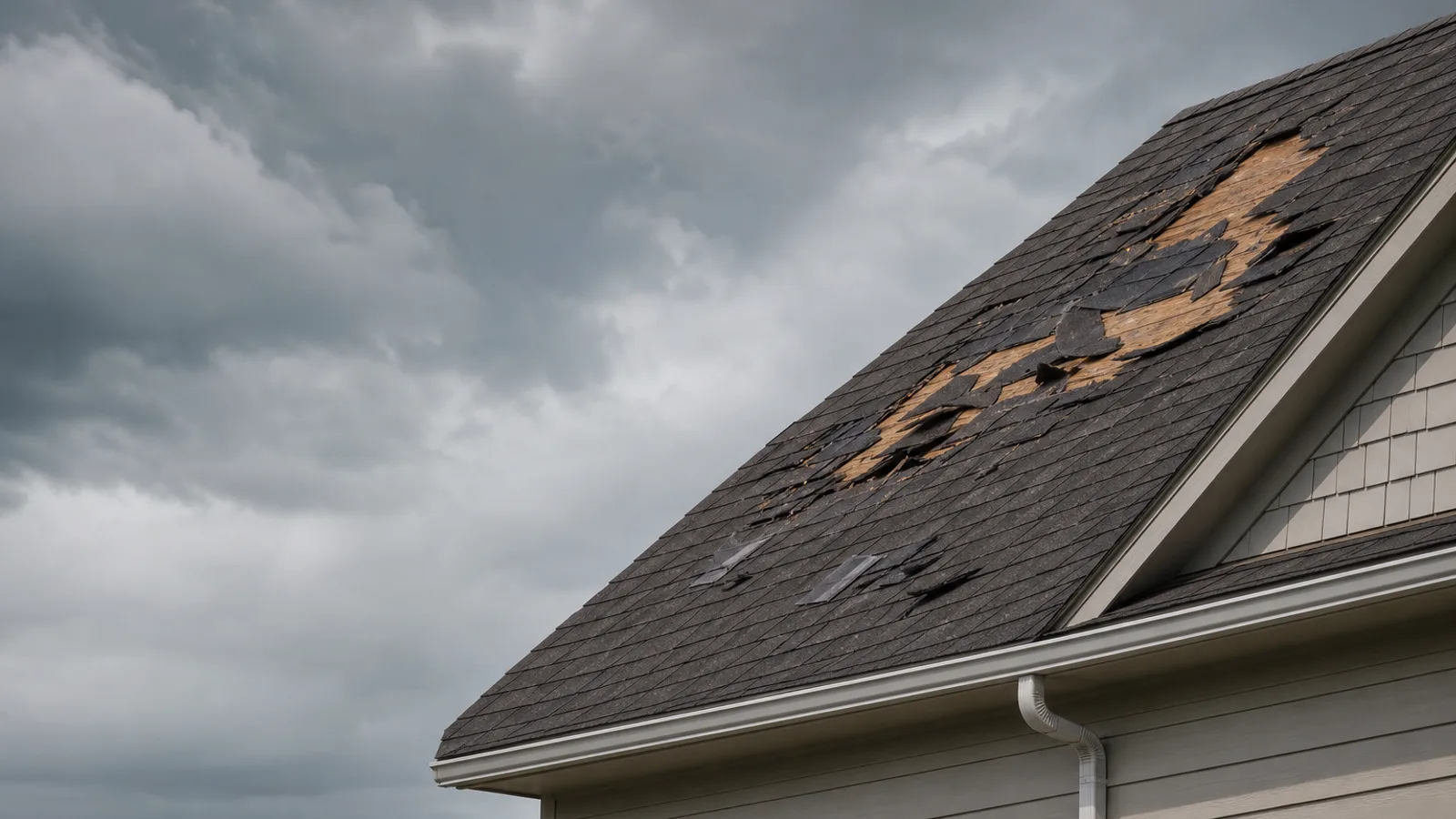
Maryland’s insurance regulator just warned homeowners about post-storm “free roof” offers and pushy claim tactics. Here is what that safety notice means for your storm damage roof repair decisions in PA, NJ, and MD.
What did the new Maryland storm damage roof repair safety notice actually say?
Maryland’s Insurance Administration recently issued a consumer advisory that targets one specific problem after big storms: contractors showing up at your door with a “free roof” pitch and a clipboard full of paperwork. The notice explains that some of these companies are not just offering to inspect your roof. They are trying to get you to sign broad agreements that let them control your insurance claim, bill your carrier directly, or even start work before the damage is properly documented.
The advisory also warns that a few bad actors may exaggerate or even create damage, such as bending or lifting shingles to make normal aging look like fresh storm impact. For you, that has two major risks. First, you could end up paying for a roof replacement you did not really need. Second, your insurer may challenge the claim if the damage does not match the storm report, which can turn a stressful situation into a long dispute. The state’s message is clear: slow down, read what you sign, and keep control of your claim.
Even though the notice is from Maryland, the same behavior shows up after storms in Pennsylvania and New Jersey too. Any time you get hit with hail, high winds, or a strong line of thunderstorms, the traveling crews are not far behind. The timing of the advisory, right in the middle of another busy storm season, is a reminder that safety is not just about ladders and harnesses. It is also about the paperwork you sign and who is really making decisions about your home.
- Watch for promises of a “free roof” before anyone has seen your policy.
- Be wary if the contractor pressures you to sign documents on the spot.
- Avoid agreements that let a contractor negotiate directly with your insurer without you.
- Do not allow work to start until damage and scope are clearly documented in writing.
How do storm chasing roof offers put your safety and claim at risk?
The most visible problem after a storm is physical safety, but the new notice highlights another kind of danger: claim and financial risk from storm chasers. Storm chasing crews often flood neighborhoods right after the weather clears. Their salespeople are trained to move fast, using urgency and fear of leaks to get you to sign before you have spoken to your insurer or a local roofer you trust. When contractors control the claim, you may not see the estimate, the scope, or even what they actually bill your carrier.
Some of these agreements are written so that you owe the contractor whatever the insurance company pays, plus any uncovered extras, even if the insurer later disputes part of the claim. That can leave you stuck in the middle of an argument you did not start. In the worst cases outlined by regulators, homeowners have been accused of participating in fraud when adjusters discover that damage was exaggerated or manufactured.
None of this means every door-to-door roofer is dishonest. It does mean that the way you start the process matters. When you are dealing with storm damage roof repair, your safest move is to call your insurer first, then bring in a contractor who will document existing damage, not create new "evidence" for the claim. This approach protects both your roof and your record with the insurance company you may need again in a few years.
- High-pressure sales can push you into signing before you talk to your insurer.
- Some contracts quietly hand claim control to the contractor, not you.
- Manufactured or exaggerated damage can trigger claim denials or even fraud probes.
- You may be billed for extras that your insurance policy never agreed to cover.
What safety steps should you follow before any storm damage roof repair starts?
Safety starts the minute the storm passes, long before any contract is signed. Recent guidance from roofing outfits and insurance departments stresses the same first step: document what you see without climbing on the roof. Use your phone to take wide shots of the house, close-ups of missing shingles, dented gutters, or torn flashing, and interior photos where leaks show on ceilings or walls. Note the date and time, and keep all of this in one folder so you can share it with your insurer and contractor.
Staying off the roof is not just a suggestion. Wet shingles and loose debris are extremely slippery, and storm damage can hide soft spots in the decking that will not support your weight. If you see water near light fixtures or outlets, do not switch anything on in that area until an electrician or qualified pro says it is safe. Temporary measures like buckets, plastic sheeting inside, and tarps installed by a professional from the outside are safer than a homeowner crawling around on steep slopes.
From there, the safest sequence is simple. First, contact your insurer and report the claim. Second, schedule an inspection with a licensed roofer who is willing to share photos and explain what they are seeing in plain language. Third, compare the contractor’s findings with what the adjuster documents. Only when you have that alignment should you sign a repair contract. That order keeps the work grounded in the actual storm damage instead of whatever a salesperson wants to sell.
How can you tell a solid storm damage roof repair proposal from a risky one?
A good storm repair proposal is boring in the best way. It lists specific roof areas, what will be torn off, what will be replaced, and how the crew will protect your property while they work. You should see line items for underlayment, shingles or other roofing, flashing, vents, and clean-up, including how they will handle nails and debris. If the contractor recommends upgrades, such as higher wind rated shingles or improved attic ventilation, they should explain why those changes matter on your particular home.
Risky proposals, by contrast, tend to be short on detail and big on promises. If the only description you get is “replace storm damaged roofing as needed,” you have no idea what is actually included in the price. Another red flag is a missing section about permits and code compliance. Even though the Texas guidance cited in recent discussions is for coastal counties, the principles apply here too: roofs need to meet local building codes, and products should be installed according to manufacturer instructions so you keep both your warranty and your insurance coverage.
Payment terms tell you a lot as well. Reasonable deposits and progress payments tied to visible milestones are normal. Demands for full payment up front, or for you to sign insurance checks directly over to the contractor before work begins, are signs you should slow down. You want a roofer who is comfortable being paid when work is actually completed and inspected, not someone who needs your entire claim check just to get started.
- Look for a written scope with specific materials and roof areas listed.
- Confirm that permits and building code requirements are clearly addressed.
- Check that payment is tied to completed work, not just claim approval.
- Avoid vague language like “as needed” with no detail on what that includes.
What documentation do insurers and contractors expect after a storm?
Recent post-storm reminders from roofing companies in the Midwest reinforce something adjusters have been saying for years: careful documentation makes claims smoother and repairs safer. They recommend homeowners gather photos and videos before any cleanup or temporary repair, because those images become the baseline for both the adjuster and the roofer. Receipts for emergency tarping, fans, dehumidifiers, or short-term lodging should be kept together so you can request reimbursement where your policy allows it.
Contractors who do a lot of storm work will typically create their own photo report, often with close-ups of impact points and measurements of each slope. Ask for a copy. When you can compare your photos, the contractor’s images, and the adjuster’s report, you quickly spot any gaps or misunderstandings before they become disputes. That protects you from both underpaid claims and from anyone trying to pad the scope with work that is not truly storm related.
The documentation habit also helps beyond this storm. If product defects ever come into question, such as the lawsuits filed in other states over roofing materials with premature wear or excessive granule loss, your dated photos and invoices become important evidence. They show when the roof was installed, how it was built, and what changed after each major weather event. In other words, you are not just building a claim file. You are building your home’s roof history.
- undefined
- undefined
- undefined
- undefined
- undefined
- undefined
- undefined
- undefined
- undefined
- undefined
Frequently asked questions
- What does Maryland’s storm damage “free roof” safety notice mean for me?
- Maryland’s recent advisory warns that some contractors use “free roof” pitches after storms to get you to sign broad agreements that hand them control of your insurance claim. For you, that means you should slow down, read every document carefully, and keep control over who talks to your insurer and what work is approved. The same advice is smart for homeowners in Pennsylvania and New Jersey.
- Should I ever sign a roofing contract that lets the contractor deal directly with my insurance company?
- You can allow a roofer to share photos and estimates with your insurer, but you should be cautious about contracts that fully assign your benefits or give the contractor power to negotiate and settle the claim without you. Those agreements can lock you into paying whatever is approved, even if you disagree with the scope or price. Keeping yourself in the middle of all claim decisions offers better protection.
- How do I safely document storm damage to my roof without climbing on it?
- Use your phone or camera from the ground, a window, or a safe balcony to capture wide shots of your roof and close-ups of any visible damage like missing shingles or bent gutters. Photograph inside areas where leaks appear, including ceilings, walls, and floors. This gives your insurer and roofer enough information to start without putting you at risk on a slippery or unstable roof.
- What are the biggest red flags in a storm damage roof repair estimate?
- Major red flags include very vague descriptions of work, missing information about permits and building codes, and payment terms that require full payment up front or immediate signing. Be wary of language that says “as needed” without any detail, or documents that mention assigning your insurance benefits or letting the contractor negotiate directly on your behalf. Any high-pressure push to sign on the spot is also a warning sign.
- Is it normal for a roofer to ask for money before storm damage work starts?
- A reasonable deposit is common, especially for ordering materials, but it should be a small portion of the total and clearly spelled out in the contract. Demands for full payment up front, or for you to sign over your entire insurance check before work begins, are not standard and increase your risk if something goes wrong. Tying payments to specific milestones in the job is a safer structure.
- What should I do first if my roof is leaking right after a storm?
- Start by protecting the inside of your home with buckets, towels, and plastic sheeting where it is safe to do so, then shut off power in any area where water is near electrical fixtures or outlets. Document what you see with photos, contact your insurer to report the loss, and then schedule a visit from a licensed roofer who can safely inspect and, if needed, install temporary tarps. Avoid climbing on the roof yourself, especially while it is wet or windy.
- How can I compare two storm damage roof repair bids fairly?
- Lay the estimates side by side and look at more than the total price, focusing on materials, scope of work, safety measures, and how debris will be handled. Check whether both include code-required items like underlayment and flashing, and whether they explain how they will protect your property during the job. The bid that is clearer and more complete, even if slightly higher, often delivers better value and fewer surprises.
Talk to All Pro Home Improvement and Roofing about storm damage roof repair →