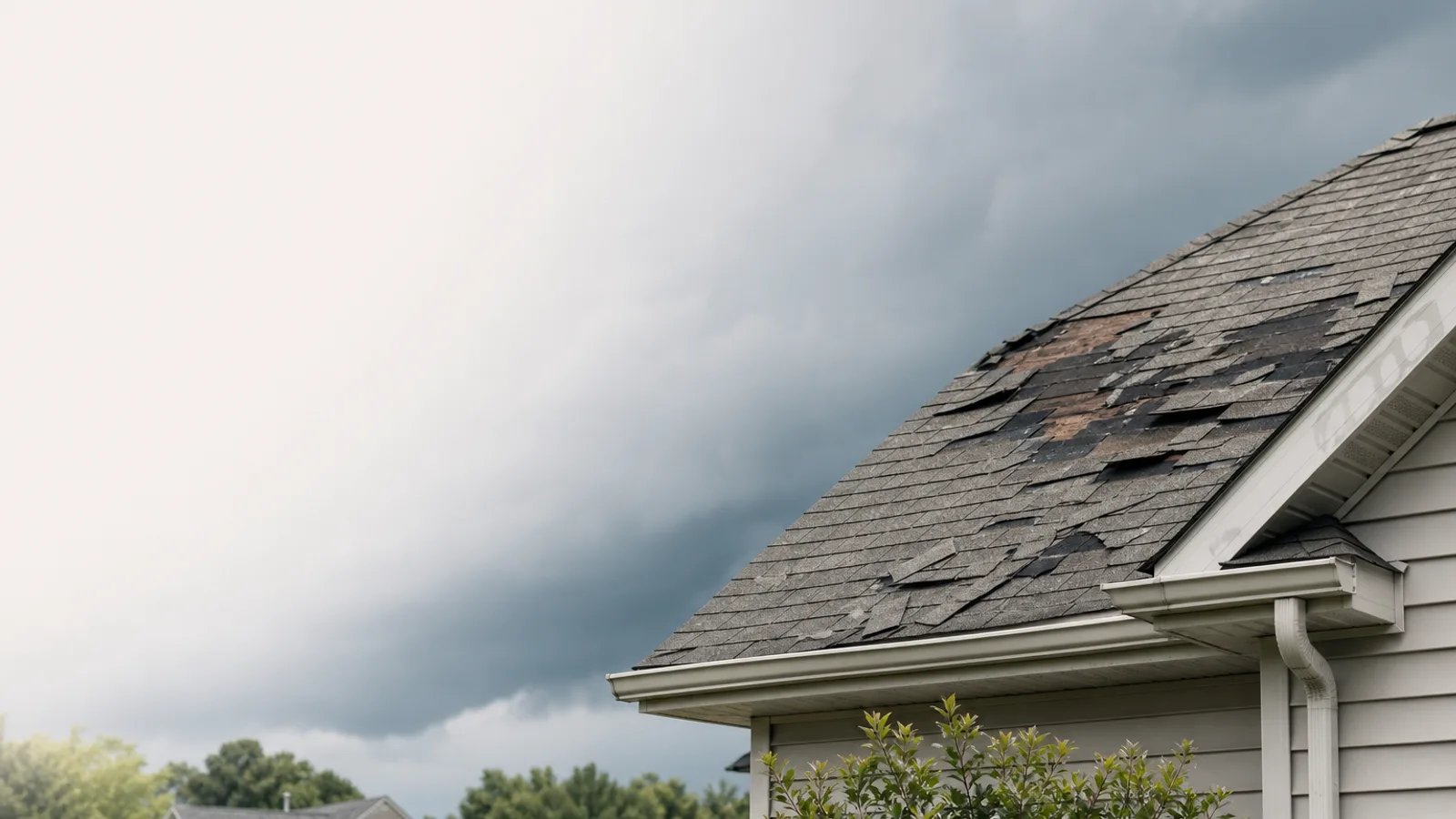
Storm damage repairs are often paid with insurance money, which attracts pushy contractors and confusing promises. Here are the specific questions to ask so you get a solid repair, real warranty coverage, and no surprises on your final bill.
Why do the right questions matter before storm damage roof repair?
After a big storm in Pennsylvania, New Jersey, or Maryland, the pressure to fix your roof fast is real. You might have water getting in, tarps flapping, and an insurance adjuster on the way. That mix makes it very easy to say yes to the first contractor who knocks or the lowest number on a quote. The problem is that storm work is where a lot of corners get cut, and you often do not see those shortcuts until years later when the warranty is hard to use.
As several homeowner guides point out, the only real way to protect yourself is to slow down long enough to ask focused questions and get answers in writing. You are not being picky, you are simply treating your roof like the major investment it is. When you understand how credentials, estimates, insurance handling, and warranties should work, it gets much easier to separate a solid local roofing crew from the short‑term storm chasers. Your goal is a dry, long‑lasting roof and paperwork that actually backs you up if something goes wrong.
What should you check about a storm damage roofer before they touch your roof?
Before you even get to price, you want to know who you are dealing with. Consumer protection checklists from municipalities and roofing groups all say the same thing: verify licensing, insurance, and stability. In our area that means making sure the roofer carries active liability and workers’ compensation insurance and that they can show documentation, not just say they are covered. You also want a real business address you can look up, not just a PO box or a truck with magnets on the door.
Next, ask for references from recent storm damage projects, not just any roofing work. Storm jobs often involve insurance coordination, emergency tarping, and hidden damage, so you want proof they have handled that type of work before. A careful contractor will usually also be willing to show you manufacturer training or certification that ties into the products they are proposing for your roof. If they dodge these questions, do not provide proof, or get defensive, you have your first clear sign to keep looking.
- Ask for proof of liability and workers’ compensation insurance.
- Confirm they have a physical office or shop you can verify.
- Request references from recent local storm damage roof repairs.
- Check that they are trained or certified for the products they install.
What belongs in a real storm damage roof repair estimate?
Once you are comfortable with the contractor’s credentials, it is time to look at the estimate itself. Homeowner guides on storm damage make it clear: a proper proposal is written, detailed, and broken down by line items. It should spell out what materials are being used, how many squares of roofing are being replaced, what is happening with underlayment, flashing, vents, and disposal, and whether any decking replacement is included or just “as needed.” A one‑line total for “roof repair” with no details does not protect you.
You also need to see in writing how they will handle hidden damage and any price supplements to your insurance company. Storm work often uncovers issues such as rotten decking or damaged flashing after tear‑off. A good contractor will explain the process for documenting that and submitting it to your insurer so you are not on the hook for surprise add‑ons without warning. Finally, the estimate should include the payment schedule, timing for the work, and who is responsible for permits, which many guides recommend the contractor should handle as part of the job.
- Require a written, line‑item estimate for all roof work.
- Verify materials, quantities, and specific product types are listed.
- Ask how hidden damage and change orders will be documented.
- Confirm who pulls permits and how inspections will be handled.
How should a contractor handle insurance and storm damage documentation?
Your homeowners insurance is usually a big part of the storm damage story. Manufacturer and roofer guides stress that your first job is to document the damage clearly with photos and notes. After that, a good roofing contractor can help you interpret the adjuster’s report, but they should not be the ones pushing you to file a claim or promising they can “work your deductible” or pad the bill. Those kinds of promises are both risky and a sign the contractor is focused on the check more than the roof.
Ask directly how they handle communication with your insurance company. Some contractors are comfortable sharing photos, scope notes, and supplement requests; others expect you to be the go‑between and that is fine as long as you know the plan. The key question is how they will keep you updated if the insurance scope and their scope differ. If they want you to sign over full control or sign an open‑ended agreement tied only to “whatever insurance pays,” think very hard before you move forward. You want a clear scope of work that stands on its own, paid for by insurance, not a blank check.
What warranty questions should you ask before you sign a storm repair contract?
Warranties are one of the most confusing parts of any roofing job, and they matter even more with storm damage work. Roofing experts explain that there are two separate pieces: the manufacturer’s material warranty and the contractor’s workmanship warranty. The material warranty typically covers defects in the shingles or other products, often for decades or as a “limited lifetime,” but it does not cover mistakes made during installation. Since many roof problems in the early years come from installation errors, the workmanship warranty is often the one you actually end up needing.
You should ask how long the workmanship warranty lasts, what it covers, and whether it includes labor to repair leaks or only some limited service. Then look closely at what can void either warranty. Technical bulletins warn that many long‑term warranties are heavily limited by fine print, exclusions, and conditions such as proper ventilation, required accessories, and registration deadlines. It is perfectly reasonable to ask your contractor to walk you through what is and is not covered in plain English, give you the documents before you sign, and confirm in writing that they are installing the roof to the manufacturer’s specifications so those warranties stay valid.
What are the red flags when hiring for storm damage roof repair?
There are certain patterns that show up over and over again when homeowners get burned on storm work. Safety and consumer protection guides say to be very cautious of contractors who show up right after a storm, push hard for you to sign on the spot, or are vague about their company name and local presence. Aggressive door‑to‑door solicitation by itself is not illegal, but paired with out‑of‑state plates, no references, and no written estimate, it becomes a big warning sign. You want someone who is willing to answer your questions calmly and let you check them out.
Another red flag is loose or missing paperwork. If a contractor refuses to show you proof of insurance, will not put the estimate in writing, or will not explain the warranty, the safest move is to move on. The same goes for contractors who promise that the warranty is “full coverage” without giving you the actual document to read, or who say things like “we will take care of everything with your insurance, do not worry about it” but do not spell out how that works. If they do not respect your need for clarity before starting, they are unlikely to be responsive if a leak shows up later.
How do you put all these questions together into a simple game plan?
When you are looking at everything at once, from licenses to warranties, it can feel like a lot. The easiest way to manage it is to treat it like a checklist and walk through it with each contractor you speak to. Start with the basics: who are they, are they insured, and do they work in your area regularly. Move on to the estimate details, how they will handle your insurance claim, and finally the workmanship and material warranties. You are not interrogating them, you are buying a critical repair for your home.
If you want a deeper conversation about the technical side or local permitting and timelines, a local roofer can walk through what storm damage roof repair typically looks like on homes like yours. When you are ready, you can ask directly how their process for storm damage roof repair lines up with the questions on your list. By the time you pick your contractor, you should feel like you know exactly what you are getting, what it costs, how it ties into your insurance, and who will stand behind the work if there is a problem later.
- undefined
- undefined
- undefined
- undefined
- undefined
- undefined
- undefined
- undefined
Frequently asked questions
- What should I ask a roofer after my roof is damaged by a storm?
- Start with the basics: ask for proof of insurance, a physical business address, and references from recent storm damage jobs. Then request a detailed written estimate, ask how they handle hidden damage and insurance supplements, and get clear information about their workmanship and material warranties in writing.
- How do I know if a storm damage roof repair estimate is legit?
- A solid estimate will be in writing and itemized, listing materials, labor, tear‑off, disposal, and any assumptions about decking or flashing. It should also spell out who pulls permits, how change orders will be handled, and what is and is not included so you are not hit with vague extra charges later.
- What is the difference between a roof material warranty and a workmanship warranty?
- The material warranty comes from the manufacturer and covers defects in the roofing products themselves for a set period of time. The workmanship warranty comes from the contractor and covers how those products were installed, which is important because many early roof failures are caused by installation issues, not defective shingles.
- Can a storm damage roof repair void my existing roof warranty?
- Yes, it can if the repair is not done according to the manufacturer’s requirements or if unauthorized materials or methods are used. That is why it is important to ask your contractor how they will follow the manufacturer’s specifications and whether they will provide documentation that the repair keeps your warranty in good standing.
- What are red flags when hiring a contractor for storm damage roof repair?
- Red flags include contractors who show up uninvited right after a storm and push you to sign immediately, refuse to show proof of insurance, or will not provide a written estimate. You should also be cautious of anyone who promises to handle your insurance claim without explaining the process or who gives vague answers about warranties and permits.
- Should my storm damage roofer deal with my insurance company for me?
- Your roofer can help by documenting damage, explaining technical issues, and providing supplements or photos to support your claim. However, you should stay in control of the claim, understand what the adjuster approved, and avoid signing open‑ended contracts that say the roofer will simply accept "whatever the insurance pays" without a clear scope of work.
Talk to All Pro Home Improvement and Roofing about storm damage roof repair →