Roofing pros are rolling out AI, drones, and new storm models to find and price damage faster after big weather events. Homeowners in PA, NJ, and MD still need hands-on repairs, but how you document damage and deal with insurance is changing quickly.
Is new AI and drone tech about to replace hands-on storm damage roof repair?
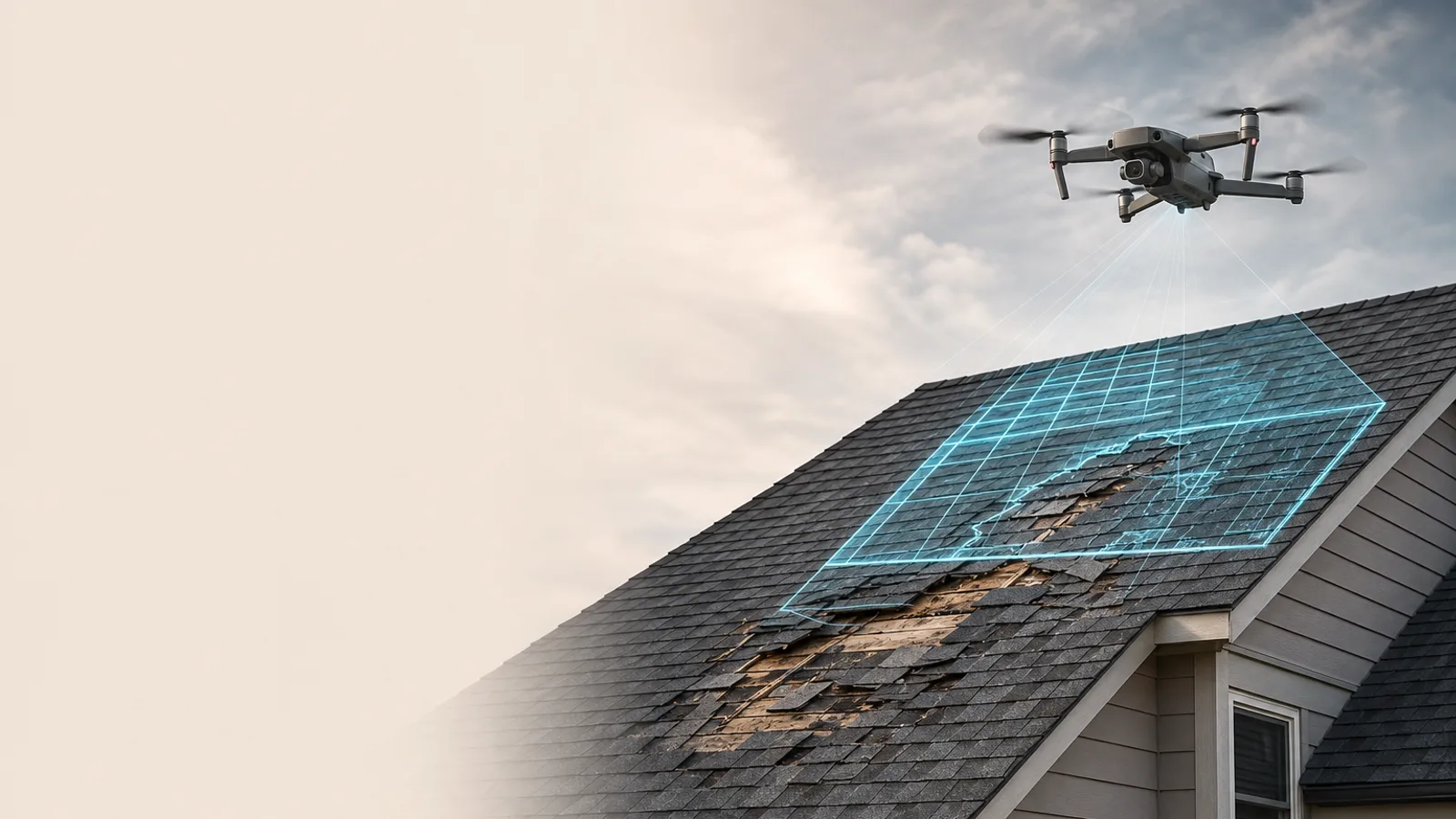
Over the last month, a lot of roofing headlines have been about software and devices, not shingles and nails. An award-winning inspection platform now uses mobile apps, artificial intelligence, and drones to measure roofs and flag possible storm damage. Another new system ties into live weather data to predict which roofs are most at risk before a storm hits. Insurance modelers are also updating their software so carriers can assign a more precise dollar value to your roof based on age and condition.
If you are sitting in Pennsylvania, New Jersey, or Maryland looking at missing shingles after a thunderstorm, it is fair to wonder whether this means the old-fashioned repair visit is going away. The short answer is no: storms still rip off shingles, flashing still gets bent, and water still finds a way into your house. What is changing is how fast damage is identified, how it is documented for your claim, and how insurers estimate what they owe you. That can work for you or against you depending on who is holding the camera, the tablet, and the ladder.
What actually changed this month in storm damage roof technology?
Several concrete developments hit the roofing world recently that affect how storm losses get found and paid. One inspection platform built for exterior restoration just received a national innovation award for tying together field apps, artificial intelligence, and drone-delivered roof measurements. The idea is to let contractors collect data in the field, run it through AI, and spit out reports that insurers can read easily. That kind of system can cut down the back-and-forth after a hail or wind event and move jobs into production sooner.
On the commercial side, a new open API platform is being rolled out that watches real-time weather and predicts which roofs in a large portfolio are likely to be hit hardest. Instead of waiting for leaks, property managers can receive alerts that say which buildings should be checked first for potential storm damage. At the same time, a new version of a severe convective storm model lets insurance companies set the replacement value of roofs directly, customize for roof age, and use higher-resolution AI weather data when they run loss scenarios. All of this is happening against a backdrop of active storms: a recent hurricane in the Gulf region racked up an estimated 2 billion dollars in insured losses, which is exactly the kind of event that pushes insurers to rely more heavily on software when they look at roofing claims.
- AI-assisted inspection platforms now combine field apps and drones for reporting
- Storm risk tools link live weather feeds to roof condition and portfolio alerts
- Insurance storm models factor in roof age and updated hail vulnerability data
- Large losses from recent hurricanes motivate insurers to lean on these models
What do AI and drone inspections really change for a homeowner after a storm?
For you as a homeowner, the biggest change is how evidence is gathered and how quickly your roof can be triaged after bad weather. Drones can document damage within 24 to 48 hours without anyone walking on a slick, possibly unstable roof. A recent guide suggested costs in the range of 150 to 400 dollars for a drone inspection by a properly licensed pilot. That can be money well spent if it keeps you off the roof and gives you clear, geotagged and timestamped photos your insurer is more likely to accept.
AI does not magically fix your shingles, but it can help organize thousands of photos into a structured report that highlights missing tabs, creased shingles, and suspected hail hits. On the back end, more advanced storm models can influence how an adjuster looks at your claim based on the age and type of your roof and what local weather data shows. The important thing to understand is that these tools are only as honest as the person using them. If your roofer uses tech to support a thorough physical inspection, you get better documentation. If someone waves a drone around to justify a rushed, one-size-fits-all repair, the tech is not helping you.
How should you hire a roofer when drones and AI get involved?
You do not need to turn into a software engineer to hire the right storm repair contractor, but you do need to ask a few more detailed questions. Start with licensing and insurance, then ask how they inspect a storm-damaged roof and whether they use photography or drones. A best practice outlined in recent guidance is to work with an FAA Part 107 certified pilot who carries liability insurance if a drone is involved. That protects you if the drone hits a neighbor’s car or ends up tangled in power lines.
You should also ask how they share findings with you. A good contractor in PA, NJ, or MD will walk you through photos or video in plain English, point out where damage is clear and where it is borderline, and explain what your local building codes require. They should be able to explain how their inspection supports your insurance claim, not promise to “work it so your roof is free.” If they are using advanced inspection apps, that can be a plus as long as they still climb a ladder when it is safe and confirm what the software is telling them at the shingle level.
- Confirm your roofer’s license and general liability coverage
- Ask if drone pilots are FAA Part 107 certified and insured
- Request clear photo or video documentation of all suspected damage
- Have them explain how their report will be used with your insurer
Will predictive storm tools and insurance models change what your claim pays?
Behind the scenes, insurers are updating how they think about storm risk, roof age, and replacement costs. A new version of a severe convective storm model that came out in early October lets carriers assign roof replacement values directly instead of tying roofs to a fixed percentage of the building value. It also adjusts for things like how old your roof is and uses higher-resolution AI weather modeling for wind, hail, and tornado events. That might sound abstract, but it matters because it influences how much money gets reserved for claims when a storm hits your area.
In plain language, if your roof is older, the model may tell the insurer that your roof is worth less to replace, which can translate into tighter claim payouts if you have actual cash value coverage. On the other hand, more accurate modeling can prevent across-the-board tightening of coverage in a whole ZIP code. Instead of assuming every house is the same, insurers can differentiate between a brand new roof and a 20-year-old one. That makes it even more important to keep documentation of when your roof was installed, what materials were used, and what maintenance or repairs have been done. Those facts will matter alongside the weather data when a storm claim is reviewed.
What should you do this year to prepare for tech-driven storm damage roof repair?
Storm seasons are uneven. One recent hurricane caused an estimated 2 billion dollars in wind damage in another part of the country after a relatively quiet year. That kind of spike is a reminder that our Mid-Atlantic mix of ice, wind, and convective storms is not going anywhere. While a lot of new tools are aimed at big commercial portfolios, the same ideas are trickling down into residential work and claims handling. You cannot control what models insurers run or what gadgets they buy, but you can make sure your side of the story is well documented and that your roof is in a condition that is easy to defend.
One practical step is to get a baseline inspection of your roof when the weather is calm so there is a dated record of its condition before the next big storm. That can be part of a normal maintenance visit or a more detailed roof inspection service. If a storm does roll through, your next steps usually include quick temporary repairs to stop active leaks, thorough documentation, and then structured estimates from a local contractor who knows Mid-Atlantic codes and weather patterns. If you need help sorting out what is covered and what really needs fixing, a contractor that regularly handles storm damage roof repair in this region can walk you through options and timing.
- undefined
- undefined
- undefined
- undefined
- undefined
- undefined
- undefined
- undefined
- undefined
- undefined
Frequently asked questions
- Will AI and drones replace the need for a roofer to come out after a storm?
- No. AI and drones are tools for gathering and organizing information, not for fixing shingles, flashing, or decking. A qualified roofer still needs to inspect key details up close and actually perform the repair work. These tools mainly change how fast problems are found and how clearly they are documented for your insurance company.
- Is a drone roof inspection worth paying for after hail or high wind?
- It can be worth it, especially if your roof is steep or damaged enough that walking it would be risky. A recent guide suggested licensed drone inspections usually run about 150 to 400 dollars and can capture clear, time-stamped images across your whole roof. If those photos help prove your claim and prevent missed damage, they often pay for themselves.
- How are insurance companies using new storm models to value my roof?
- New severe storm models let insurers plug in roof-specific details like age and replacement cost instead of relying on generic building percentages. They also use high-resolution weather data to estimate wind, hail, and tornado impacts in smaller geographic areas. That means your roof’s age and documented condition can have a bigger impact on what your claim ultimately pays.
- What should I ask a roofing contractor about their tech before I hire them?
- Ask how they inspect storm damage, whether they use drones or only cameras from the ground, and how they share their findings with you. Confirm that any drone operator is certified and insured, and ask to see sample reports or photos. A solid contractor will be transparent about their process and show how tech supports, not replaces, physical inspection.
- Can AI software decide if my storm damage roof repair is covered by insurance?
- AI systems might flag likely damage based on photos or weather data, but they do not have the final say on coverage. Your policy terms, state regulations, and the adjuster’s review still control what is approved. You improve your odds when you pair those tools with clear documentation from a reputable local roofer who understands both construction and claims.
- How soon after a storm should I document my roof damage with photos or drones?
- Industry guidance suggests getting documentation within 24 to 48 hours, once it is safe to be outside. That way, debris patterns and fresh damage are still visible and easier to tie directly to the storm. Start with ground-level photos, then bring in a drone or roofer when conditions allow so you are not climbing onto a wet or unstable roof.
- Does new technology change what storm damage roof repair costs in PA, NJ, and MD?
- The tools themselves do not set prices, but they can influence how much damage gets approved and how complete the repair scope is. Better documentation can prevent under-scoping, while insurer models may push harder on age-related depreciation. Local labor rates, material choices, and building codes still drive most of the actual repair cost in the Mid-Atlantic.
- How can I avoid storm-chaser scams when contractors show up with fancy tech?
- Do not be distracted by gadgets alone. Check for local licensing, insurance, a physical address, and written estimates that separate storm damage from wear and tear. Be wary of anyone demanding you sign over insurance benefits or rushing you into a contract before your carrier has even looked at the roof, regardless of how high-tech their inspection gear looks.
Talk to All Pro Home Improvement and Roofing about storm damage roof repair →